


 Cryptocurrency has moved into parts of the beauty industry, although adoption remains selective rather than mainstream. Beauty retailers and brands have tested everything from Bitcoin checkout to crypto rewards and blockchain-backed ingredient tracking. Lolli, for example, has worked with major beauty retailers including Sephora and Ulta Beauty to connect ordinary purchases with Bitcoin rewards.
For shoppers, crypto beauty payments can now mean several different things. A customer might pay directly from a digital wallet, earn Bitcoin after purchasing cosmetics with a conventional card, or encounter blockchain technology behind the scenes when checking where ingredients originated. These uses vary considerably in maturity, making it useful to separate what is already practical from what remains experimental.
1. Paying for Beauty Products With Cryptocurrency
Direct payment is the simplest application. Instead of using a credit card or bank account, a shopper transfers cryptocurrency through a supported payment processor. The processor can handle much of the technical work, reducing the need for a retailer to build its own crypto infrastructure.
Lush provides a notable example. BitPay currently lists Lush UK as accepting cryptocurrencies including Bitcoin, Ether and USDC through its checkout system. The arrangement lets customers select a supported digital currency and pay from a compatible wallet. Availability can differ between markets, however. Lush Philippines, for example, currently lists cards, Maya, GCash and cash on delivery among its payment methods rather than cryptocurrency.
2. Earning Bitcoin Without Paying in Bitcoin
Crypto rewards may offer an easier route into digital assets because shoppers do not have to change how they pay. Lolli lets customers earn cash or Bitcoin rewards when shopping with participating retailers, and its current platform says it works with more than 25,000 stores.
Beauty has been part of that model for several years. Lolli announced a Sephora partnership in 2022, while another company announcement listed Ulta among retailers available through its Card Boost program. The system allowed shoppers to link conventional payment cards and receive Bitcoin rewards after eligible purchases. Lolli’s current beauty marketplace continues to include numerous skincare, cosmetics and wellness merchants.
This model resembles familiar cashback programs more than a radical redesign of retail. That familiarity may be useful because consumers can gain exposure to Bitcoin without managing cryptocurrency during checkout.
3. Turning Tokens Into Customer Experiences
Blockchain-based loyalty can go further than cashback. Tokens and digital collectibles can function as access passes for exclusive products, communities or experiences.
L’Oréal has explored this approach through several brands. At Viva Technology 2022, the company highlighted Web3 initiatives including YSL Beauté’s release of 10,000 Golden Block NFTs, which were designed to unlock digital experiences and other utilities. NYX Professional Makeup and Mugler also featured in the group’s broader experiments with on-chain beauty.
These programs remain less common than standard points schemes. Ulta Beauty, for comparison, currently emphasizes a conventional loyalty model where its more than 46 million members earn points on purchases and exchange them for discounts and benefits.
4. Using Blockchain to Trace What Goes Into a Product
Some of the most practical blockchain applications are almost invisible at checkout. Instead, distributed records can help businesses document where ingredients came from and provide evidence behind sourcing claims.
Aveda says it uses blockchain technology to trace ingredients through a secure digital system, with the aim of supporting quality and responsible-sourcing verification. Lush also reports that one of its frankincense-oil suppliers uses a blockchain-enabled traceability application.
Beauty retailer Cult Beauty has also worked with Provenance on technology designed to provide evidence for product claims. Research published in Sustainability in 2024, however, noted that successfully scaled blockchain traceability systems remain relatively rare, particularly in complex industries such as fragrance.
5. What Is Still Holding Adoption Back?
Crypto in beauty still faces practical limits. Cryptocurrency values can fluctuate, payment availability varies by country, and customers must understand wallets and digital assets. Retailers also have to consider regulation, accounting, security and whether enough shoppers actually want another payment or rewards option.
The strongest near-term uses may therefore be those that require the least behavioral change. Bitcoin cashback can sit behind a normal card purchase, while blockchain traceability can operate without customers owning cryptocurrency at all. Direct crypto checkout and token-based loyalty are likely to remain more specialized until they offer shoppers a clear advantage over familiar alternatives.
Beauty brands are unlikely to abandon conventional cards, loyalty points or supply-chain databases anytime soon. Instead, crypto appears to be developing as an additional layer, useful where it makes payments easier, rewards more distinctive or sourcing claims easier to verify.
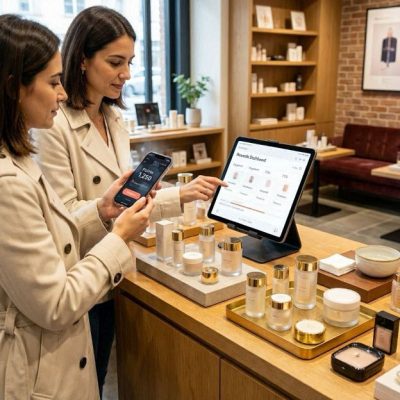 Accenture research has found that consumers increasingly value transparency and personalized experiences when engaging with brands. This trend has encouraged beauty companies to explore blockchain-powered loyalty systems, including emerging models built around digital beauty rewards. As competition intensifies across skincare, cosmetics, and wellness markets, brands are seeking new ways to strengthen customer relationships and encourage repeat purchases.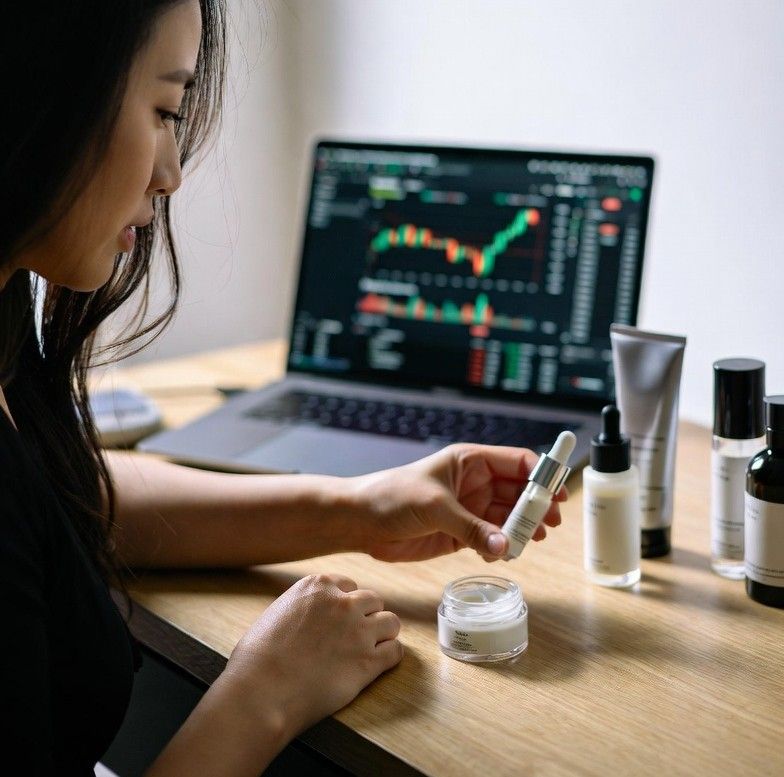
 DACA recipients are transforming the beauty industry with grit and innovation. Many face barriers like limited access to traditional banking. Yet, they’re finding a workaround: cryptocurrency. This digital currency is helping them grow their businesses, reach global clients, and sidestep financial restrictions. Their stories show resilience and a knack for adapting to a fast-changing world.
 Why crypto? It’s fast, secure, and borderless. Transactions happen in minutes, not days. Plus, blockchain technology ensures every payment is tracked transparently, building trust with clients. For beauty entrepreneurs like Maria, this means they can focus on their craft—whether it’s makeup artistry, skincare, or nail design—without worrying about financial roadblocks. Crypto also protects against currency fluctuations, a big deal for those serving clients in countries with unstable economies.
 Of course, crypto isn’t perfect. Its value can swing wildly—Bitcoin might soar one day and dip the next. Scams are another risk; fake platforms prey on newcomers. DACA entrepreneurs must stay sharp, researching wallets and exchanges before diving in. Education is key. Many are turning to online courses or community workshops to learn the ropes. Still, the benefits often outweigh the risks for those with few other options.
 Loyalty programs remain a major part of how beauty retailers encourage repeat purchases and maintain customer relationships. Familiar systems usually award points that shoppers can exchange for samples, discounts, products, or special experiences. Sephora, for example, continues to operate Beauty Insider as a conventional points-based program, while retailers such as Rustan’s use similar purchase-and-reward structures.
 Buy Now, Pay Later use reached 16% of U.S. adults in 2025, up from 10% in 2021. New analysis from the Federal Reserve shows that these short-term installment plans now cover far more than discretionary shopping. Clothing and accessories remain the leading category, used by 49% of BNPL users. Yet 20% reported financing groceries or food delivery.
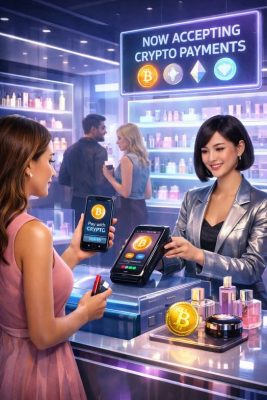 Global oil prices continue to influence inflation, shipping costs, and household spending, creating ripple effects that reach industries far beyond energy. As consumers adjust their budgets during periods of economic uncertainty, retailers are exploring new ways to improve convenience and maintain customer engagement, including the adoption of cryptocurrency payments.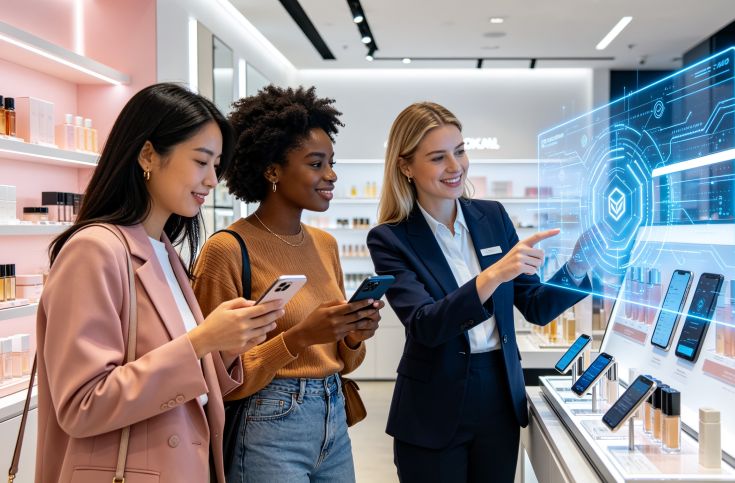

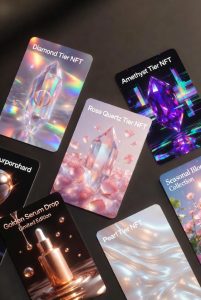 Beauty brands are increasingly embracing cryptocurrency and blockchain technology to engage customers and streamline payments. From NFT-based loyalty programs to crypto-friendly e-commerce platforms, the industry is exploring innovative ways to merge digital finance with cosmetics. Companies aim to attract tech-savvy consumers who value both convenience and exclusivity, creating entirely new experiences around skincare, makeup, and wellness products.
 Beauty companies are adopting cryptocurrency payments. Recent months show brands experimenting with blockchain to attract tech-savvy customers.
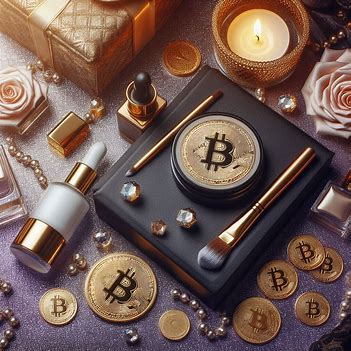 Beauty brands are reshaping their social media strategies by merging cryptocurrency with cosmetics marketing. Digital coins are no longer just about investing; they are becoming a tool for brands to create stronger connections with consumers. As Instagram continues to dominate the beauty industry, companies are experimenting with crypto-powered campaigns to stand out in a crowded space.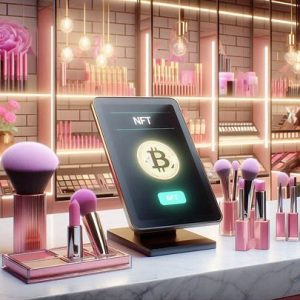
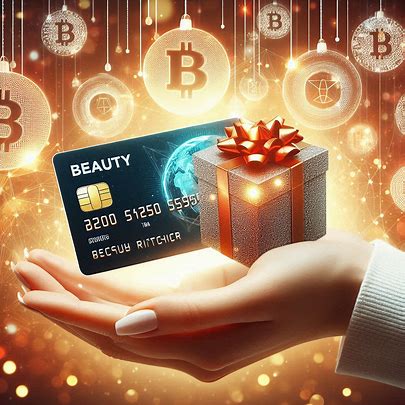 Beauty is a fast-moving space. New products launch every season, and trends evolve constantly. Retailers need quick ways to increase customer engagement and revenue flow to keep up. Gift cards, while common, often sit unused. That’s where crypto comes in.
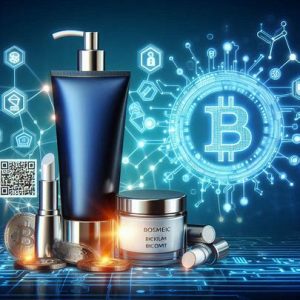 Brands are exploring blockchain to run loyalty programs. Tokenized rewards are easier to manage and can be used across partner platforms. This creates a seamless, value-based shopping experience.
 AI-powered investment platforms analyze market trends, predict financial movements, and make data-driven decisions. This ensures that social impact funds are growing and being strategically reinvested into critical social programs. The ability to automate trading helps investors optimize their portfolios while ensuring a steady flow of funds into essential services.
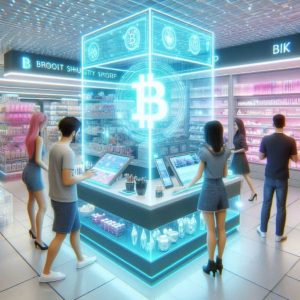
 The global beauty market is evolving, and cryptocurrency-backed platforms are at the forefront of this change. These blockchain-based marketplaces offer secure, transparent, and decentralized ways to buy and sell beauty products. But could insights from vehicle auctions play a role in refining these platforms? Pricing models, bidding strategies, and consumer behavior in car auctions may hold valuable lessons for beauty marketplaces looking to optimize their operations.
 Deposit guarantees offer an alternative to traditional rental deposits, letting tenants keep their savings intact while landlords still have security. This innovative approach frees up cash that can be used for various purposes. Platforms offering financial solutions for tenants ensure that individuals can redirect these savings toward luxury expenses, including investments in beauty and wellness. When the burden of setting aside thousands for rental deposits is lifted, tenants gain flexibility to allocate their funds to improve their quality of life. It’s a small change with a profound impact, sparking a shift in priorities from necessities to aspirations.
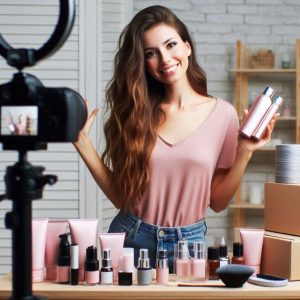 Cryptocurrency is making waves across various industries, and the beauty industry is no exception. As beauty brands look for innovative ways to connect with customers, blockchain technology and crypto payments are emerging as game-changers. The impact is already felt, from streamlining supply chains to creating new digital payment methods.