
How the Beauty Industry Is Using Crypto, and the Legal Risks Behind Blockchain-Based Cosmetic Brands

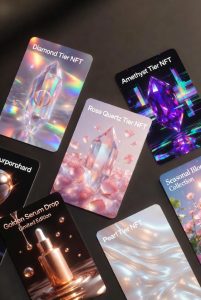
Digital NFT cards representing a beauty loyalty programBeauty brands are increasingly embracing cryptocurrency and blockchain technology to engage customers and streamline payments. From NFT-based loyalty programs to crypto-friendly e-commerce platforms, the industry is exploring innovative ways to merge digital finance with cosmetics. Companies aim to attract tech-savvy consumers who value both convenience and exclusivity, creating entirely new experiences around skincare, makeup, and wellness products.

Some luxury brands are offering exclusive NFTs that act as loyalty tokens, granting early access to new product lines or personalized services. Others are creating blockchain-based marketplaces where buyers can verify the authenticity of products and track the supply chain for transparency. For brands exploring these innovations, it is helpful to follow insights on transforming the beauty market with cryptocurrency trends and potential to understand emerging opportunities and strategies.

Accepting Bitcoin, Ethereum, or stablecoins as payment has also become a growing trend. However, navigating this new digital frontier comes with legal considerations. Consulting Maryland criminal defense experts can help brands understand the implications of crypto transactions, from fraud prevention to regulatory compliance.


Navigating Fraud and Consumer Protection Risks

Blockchain offers a level of security through decentralized ledgers, but it does not eliminate the risk of fraud. Scammers may create fake NFTs or counterfeit crypto-linked beauty products, deceiving consumers and damaging brand reputation. Companies must implement strict verification processes and maintain transparent records of digital transactions. Additionally, consumer protection laws still apply to blockchain-based operations. Clear terms of service, refund policies, and product guarantees are essential to avoid disputes and legal liability.

Data Privacy and Regulatory Challenges

Using crypto payments often requires handling personal information and digital wallets. This raises privacy concerns and potential conflicts with regulations like GDPR or the California Consumer Privacy Act. Brands must ensure they store customer data securely and comply with cross-border privacy laws. Regulatory requirements vary by jurisdiction, so staying informed is critical. Blockchain projects may also trigger additional oversight if tokens are considered securities, adding complexity to compliance.

Intellectual Property Considerations

NFTs and digital collectibles linked to cosmetic products can create intellectual property issues. Brands must carefully define ownership rights and usage terms for digital assets. Mismanagement can lead to disputes over copyright or licensing. Legal guidance is crucial to protect both the brand and the consumer while fostering a trustworthy marketplace.

Marketing and Consumer Perception

Adopting crypto technologies can be a double-edged sword for beauty brands. While some consumers are drawn to innovation and exclusivity, others may be wary of digital payments or skeptical about NFTs. Transparent communication, clear benefits, and educational campaigns can help ease concerns and increase adoption. Brands that successfully combine novelty with reliability often gain a competitive edge.

Insurance and Financial Security

Handling digital currencies introduces financial risks. Volatility in cryptocurrency values can affect revenue and pricing strategies. Brands may also face exposure to cyberattacks or theft from digital wallets. Cyber insurance and robust security measures are recommended to mitigate these risks. Regular audits and risk assessments help ensure that both financial and reputational interests are protected.

Future Outlook

Ultimately, beauty brands that approach crypto responsibly will attract forward-thinking consumers and maintain credibility. By balancing innovation with legal compliance, companies can capitalize on the benefits of blockchain while avoiding pitfalls.

The intersection of beauty and blockchain is still evolving. As technology matures, expect more sophisticated applications such as AI-driven skincare recommendations tied to blockchain data, or loyalty tokens that integrate seamlessly across multiple platforms. Brands that proactively address legal challenges, maintain transparency, and prioritize customer protection are likely to thrive. Crypto adoption can enhance trust, loyalty, and market reach, provided companies navigate the regulatory landscape carefully.

Blockchain and crypto provide exciting opportunities for cosmetic brands, but legal risks remain a serious consideration. Consulting experts and adopting strong compliance practices ensures innovation does not come at the cost of security or legality. For brands experimenting with NFTs, cryptocurrency payments, or blockchain-based marketplaces, understanding consumer protection, fraud prevention, and privacy regulations is key to long-term success.

 

The Beauty of Blockchain: How Crypto Is Reshaping the Cosmetics Industry

The beauty industry is tapping into blockchain and cryptocurrency to enhance authenticity, transparency, and customer engagement. Some global brands now accept Bitcoin or Ethereum payments for products, while others are experimenting with NFT-based loyalty programs that reward customers for repeat purchases or early access to launches.

Beyond marketing, blockchain is transforming supply chain verification. Companies use it to trace ingredients from source to shelf, reassuring consumers that products are ethically sourced and counterfeit-free. This technology aligns with the rising demand for clean beauty and sustainable consumption.

As crypto adoption expands, experts predict beauty brands will increasingly blend digital ownership with physical products — think collectible NFTs tied to limited-edition items. Though early in its evolution, this fusion of Web3 and wellness could redefine how consumers interact with beauty brands in the years ahead.

Major Beauty Retailers Are Testing Crypto Transactions

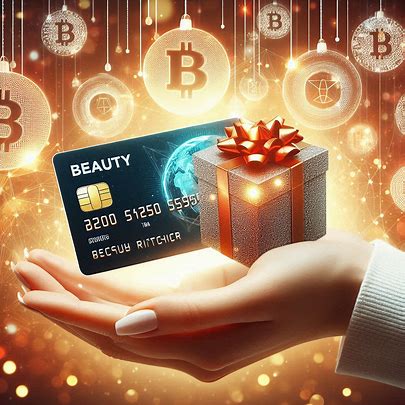
beauty gift cardBeauty companies are adopting cryptocurrency payments. Recent months show brands experimenting with blockchain to attract tech-savvy customers.
Crypto in Retail Beauty

Major beauty retailers are testing crypto transactions. Some brands now accept Bitcoin and Ethereum for online purchases. This move caters to younger consumers who own digital assets, especially Gen Z, who hold significant crypto investments. Reports suggest crypto payments could streamline international sales.

NFTs Transform Beauty Marketing

Non-fungible tokens (NFTs) are reshaping beauty marketing. Brands are launching NFT collections to offer exclusive products or virtual experiences. For example, a luxury skincare brand recently sold NFT-based loyalty rewards, boosting customer engagement. These tokens create buzz and foster brand loyalty.

Benefits for Brands and Consumers

Using crypto in the beauty market offers perks, including:

  • Faster cross-border transactions with lower fees
  • Enhanced security through blockchain technology
  • Access to a growing demographic of crypto users

Challenges to Overcome

Despite the excitement, hurdles exist. Crypto’s volatility can affect pricing stability. Regulatory gaps also pose risks, as seen in China’s crackdown on crypto transactions. Beauty brands must educate customers about secure crypto use to build trust.

Looking Ahead

The beauty industry’s crypto adoption is in its early stages. As blockchain technology matures, more brands may integrate digital payments and NFTs. Staying updated through platforms like CoinDesk can help consumers and businesses navigate this trend.

Beauty Brands Embrace Crypto Payments

crypto payment for beauty brands

Crypto Enters the Beauty Scene

Beauty companies are jumping on the cryptocurrency bandwagon in mid-2025. Major players like e.l.f. Beauty and Sally Beauty are testing crypto payments, driven by consumer demand for flexible transactions. e.l.f. Beauty’s recent acquisition of Rhode highlights its push for innovation, including blockchain-based loyalty programs. This trend is reshaping how beauty brands connect with tech-savvy shoppers.

NFTs Transform Loyalty Programs

Non-fungible tokens (NFTs) are redefining customer engagement. Brands are offering exclusive NFTs as rewards for purchases, granting access to limited-edition products or virtual events. Sally Beauty’s Q2 2025 earnings report noted a surge in digital engagement after launching an NFT-based campaign. These tokens create a sense of exclusivity, appealing to younger, crypto-enthusiast consumers.

Challenges in Adoption

Despite the excitement, hurdles remain. Cryptocurrency volatility worries retailers, with Bitcoin’s recent swings causing hesitation. Regulatory uncertainty also looms, as governments tighten rules on digital payments. Beauty brands must invest in secure blockchain systems to protect transactions. Consumer education is another challenge, as many shoppers remain unfamiliar with crypto wallets.

The Future of Beauty and Crypto

The beauty market’s crypto adoption is just beginning. Key trends to watch include:

  • More brands accepting Bitcoin and Ethereum
  • NFTs for exclusive product drops
  • Blockchain for supply chain transparency

As crypto becomes mainstream, beauty brands leveraging it will stand out. Shoppers and investors alike are watching this space closely.

Transforming Gift Certificate Conversions in Beauty Retail

Over $3 billion in gift cards go unused each year. That’s a massive amount of value sitting idle—especially for beauty retailers. Gift certificates are popular for beauty services and skincare products, but once forgotten in drawers or expired, they turn into lost sales and missed opportunities.

With the rise of cryptocurrency and digital payments, a new wave of innovation could change that. Beauty retailers are exploring how crypto can give new life to unused gift cards—offering customers the chance to convert them into digital currency, store credit, or even real cash. This shift opens up exciting possibilities for both consumers and businesses. One popular method emerging in Korea is converting small payment balances into cash. It’s a trend gaining traction in many retail sectors, and the beauty industry is taking notice (source: 소액결제 현금화).

Why Beauty Retailers Are Interested

beauty gift cardBeauty is a fast-moving space. New products launch every season, and trends evolve constantly. Retailers need quick ways to increase customer engagement and revenue flow to keep up. Gift cards, while common, often sit unused. That’s where crypto comes in.
Retailers make their offerings more flexible and appealing by allowing customers to convert gift certificates into crypto or cash. It also reduces waste. Rather than letting the value expire, customers can use it however they like—whether for a trending serum, a spa treatment, or sending funds to a friend.

The Role of Blockchain Technology

Blockchain helps track and verify every transaction. It brings a new level of transparency and security to gift certificate redemptions. This is important in the beauty world, where customers want trust and authenticity.

For instance, if a user receives a $50 gift card, they could verify its value on a blockchain system. They might choose to redeem it for store credit, convert it into cryptocurrency, or even split the value—$30 for beauty products and $20 into their crypto wallet. This kind of flexibility builds trust and loyalty.

Lower Fees, Higher Incentives

Traditional gift card processing includes fees and restrictions. Crypto offers lower transaction fees and real-time processing. That means more value stays with the customer—potentially, more spending happens inside the beauty store.

Some beauty brands may even offer incentives for those converting to their native digital tokens or crypto partnerships. Think 10% incentives for converting a gift card into Ethereum or a branded token used for exclusive launches and discounts.

Appealing to Younger Consumers

Gen Z and Millennials are already fluent in digital payments. Many also invest in cryptocurrency. Tapping into this behavior through gift certificate conversions makes perfect sense. It modernizes the beauty shopping experience and aligns it with digital habits.

Imagine a beauty app that lets users manage their gift cards, check crypto exchange rates, and redeem their balances with one click. It makes the process fun, smooth, and interactive. Plus, it adds a layer of financial empowerment—something younger consumers value more than ever.

Challenges and Considerations

As exciting as this sounds, retailers need to approach it carefully. Regulations on crypto vary by country. Not all platforms are secure or stable. Retailers must partner with trustworthy platforms and clearly communicate how gift card conversions work.

There’s also the education gap. Some customers may be unfamiliar with crypto. Providing guides, live chat support, and simple interfaces will help bridge the gap and encourage adoption.

What’s Next for Beauty and Crypto

The beauty retail world is constantly evolving. The next big wave might not be a product but how people pay. As crypto becomes more mainstream, expect to see more gift certificate programs evolve. Customers may be able to buy, trade, and convert gift values across different brands, currencies, and experiences.

This transformation isn’t just about tech. It’s about freedom, convenience, and giving people more choices. For beauty retailers, it’s a chance to stand out in a crowded market and create deeper, more rewarding connections with their audience.

Final Thoughts

Gift certificates no longer need to be one-dimensional. With the rise of cryptocurrency, there’s potential to transform these traditional cards into dynamic tools that boost loyalty, drive sales, and empower customers. As beauty brands enter the digital future, those who embrace this trend early may find themselves ahead of the curve.

Beauty Meets Blockchain: Crypto Payments on the Rise

Beauty Brands Accepting Crypto

Major beauty brands are now accepting crypto for payments. Brands like Sephora and Ulta are testing integrations with wallets like BitPay and Coinbase Commerce. Gen Z buyers are driving the shift with their digital-first mindset.

Tokenization of Beauty Loyalty Programs

crypto and beautyBrands are exploring blockchain to run loyalty programs. Tokenized rewards are easier to manage and can be used across partner platforms. This creates a seamless, value-based shopping experience.

NFTs for Beauty Collectibles

Limited-edition beauty products are being launched as NFTs. These collectibles are redeemable and tradable. It adds a unique digital element to the beauty world, especially appealing to online-first consumers.

What’s Trending

  • Clean beauty lines using blockchain for supply transparency
  • Decentralized platforms selling indie beauty brands
  • AI-enhanced crypto payment experiences at checkout

Summary

The beauty industry is rapidly evolving with crypto tools. It’s not just about paying with Bitcoin—it’s about building community, loyalty, and innovation through blockchain. Brands not adapting may fall behind.

The Intersection of Beauty and Blockchain

The Intersection of Beauty and Blockchain

Beauty Brands Accepting Cryptocurrency

Some beauty brands are already jumping into the crypto world. Brands like Sephora and L’Oréal are beginning to accept cryptocurrency as a form of payment. This change reflects a growing trend in the beauty market where crypto enthusiasts can now shop with their digital assets.

Tokenized Beauty Products and Experiences

Beauty companies are also exploring tokenization. By offering exclusive beauty experiences or limited edition products in exchange for cryptocurrency, brands can attract new customers. These tokens can give consumers access to special events or products unavailable to the general public.

Blockchain in Beauty Supply Chains

Blockchain is also finding its way into beauty supply chains. By tracking products from source to shelf, blockchain technology ensures transparency. This allows consumers to see where their products are sourced and whether they meet ethical and sustainability standards.

The Future of Crypto in Beauty

The integration of crypto in the beauty market is still in its early stages. However, as more brands and platforms start embracing the technology, we can expect cryptocurrency to play a larger role in the industry. Blockchain’s transparency and crypto’s efficiency will continue to shape beauty commerce.

Crypto’s Growing Influence in Beauty

With a growing interest in cryptocurrency, beauty brands are beginning to see the potential for digital currency. As crypto use in the beauty market increases, it may lead to further innovations in customer engagement, payments, and sustainability.