
 Loyalty programs remain a major part of how beauty retailers encourage repeat purchases and maintain customer relationships. Familiar systems usually award points that shoppers can exchange for samples, discounts, products, or special experiences. Sephora, for example, continues to operate Beauty Insider as a conventional points-based program, while retailers such as Rustan’s use similar purchase-and-reward structures.
Beauty companies are also experimenting with newer forms of digital engagement. During 2026, these experiments have included crypto rewards, blockchain-based membership systems, and tokenized incentives. The changes do not suggest that cryptocurrency is replacing ordinary beauty payments. Instead, brands are testing whether blockchain can add flexibility or new experiences to existing rewards programs.
Why Traditional Points Still Work
Conventional loyalty points have one major advantage: familiarity. Customers make a purchase, earn a predictable number of points, and redeem them within the retailer’s system.
Sephora states that Beauty Insider members generally earn one point for every U.S. or Canadian dollar spent on eligible merchandise. Rewards range from product samples to larger benefits and experiences. The system remains controlled by the retailer, and its rewards generally cannot be transferred or sold.
This closed structure can make programs simple to manage. It also allows brands to connect rewards directly with purchases, customer tiers, promotions, and exclusive events.
What Changes When Rewards Become Tokens?
Blockchain-based systems can treat a reward as a digital token recorded on a distributed ledger. Depending on how the program is designed, tokens could potentially be transferred between wallets, used across participating businesses, or connected with digital memberships.
Some beauty-related experiments are already exploring this approach. In June 2026, ESCO Cosmetic announced a blockchain-related strategy involving NFT membership and rewards for participating consumers. Meanwhile, Lolli continues to provide Bitcoin cashback opportunities across a large beauty-shopping category, showing another way digital assets can sit beside ordinary purchases rather than replacing them.
Portability Comes With Extra Complexity
Greater portability could make rewards more useful. A blockchain record may also make the movement and issuance of certain tokens easier to verify. Brands could connect these assets with memberships, events, collectibles, or partner benefits.
Yet those features introduce additional steps. Consumers may need to understand wallets, addresses, passwords, token transfers, and changing asset values. Federal Trade Commission consumer guidance notes that cryptocurrency is normally stored in digital wallets and warns that lost credentials, incorrect transfers, compromised wallets, or failed platforms can make funds difficult to recover.
Volatility creates another distinction. Traditional store points usually have a redemption value determined by the program. Cryptocurrency rewards can rise or fall with the market. The Federal Trade Commission notes that cryptocurrency values can change rapidly, making crypto cashback fundamentally different from earning a fixed retail discount.
Replacement or an Extra Layer?
Blockchain may therefore be more useful as an optional layer than as a complete replacement for beauty loyalty points. Shoppers who want a simple discount may prefer familiar rewards, while digitally experienced customers could value transferable tokens, crypto cashback, or wallet-linked memberships.
The direction visible in 2026 is experimentation rather than wholesale change. Beauty retailers can keep the simplicity of conventional points while testing blockchain for selected experiences. The long-term outcome will depend less on the novelty of tokens and more on whether they make rewards easier, more valuable, and understandable for everyday shoppers.
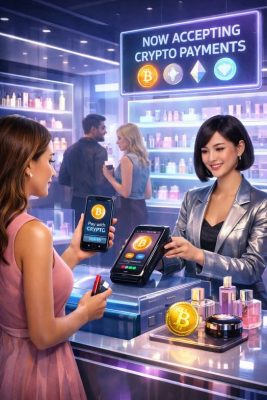 Global oil prices continue to influence inflation, shipping costs, and household spending, creating ripple effects that reach industries far beyond energy. As consumers adjust their budgets during periods of economic uncertainty, retailers are exploring new ways to improve convenience and maintain customer engagement, including the adoption of cryptocurrency payments.
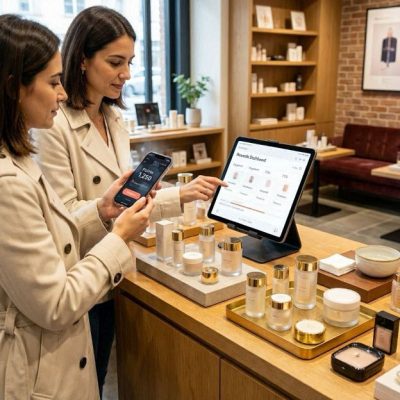 Accenture research has found that consumers increasingly value transparency and personalized experiences when engaging with brands. This trend has encouraged beauty companies to explore blockchain-powered loyalty systems, including emerging models built around digital beauty rewards. As competition intensifies across skincare, cosmetics, and wellness markets, brands are seeking new ways to strengthen customer relationships and encourage repeat purchases.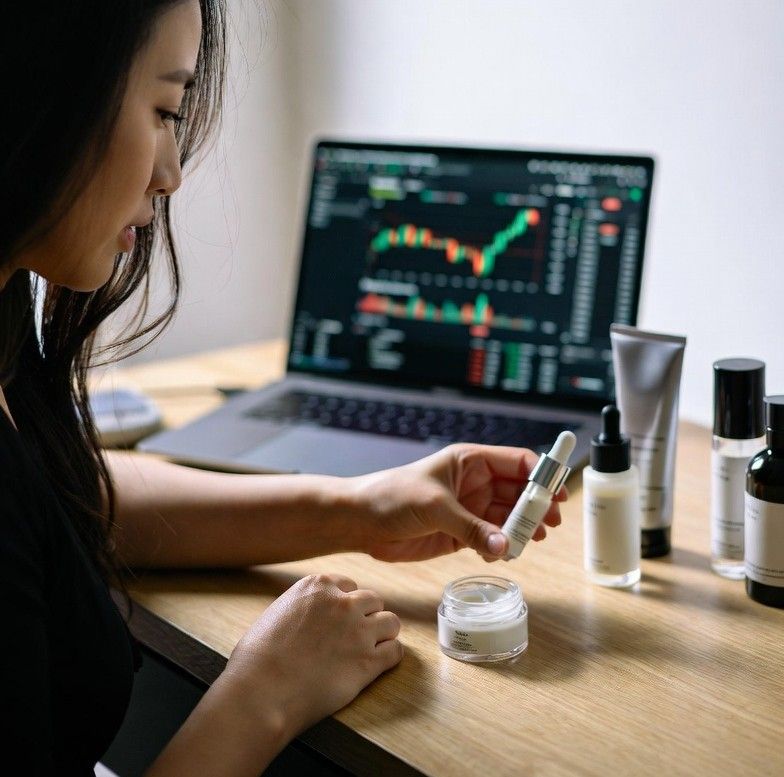

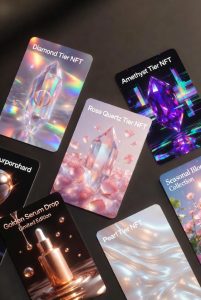 Beauty brands are increasingly embracing cryptocurrency and blockchain technology to engage customers and streamline payments. From NFT-based loyalty programs to crypto-friendly e-commerce platforms, the industry is exploring innovative ways to merge digital finance with cosmetics. Companies aim to attract tech-savvy consumers who value both convenience and exclusivity, creating entirely new experiences around skincare, makeup, and wellness products.
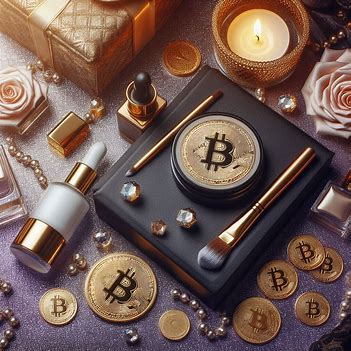 Beauty brands are reshaping their social media strategies by merging cryptocurrency with cosmetics marketing. Digital coins are no longer just about investing; they are becoming a tool for brands to create stronger connections with consumers. As Instagram continues to dominate the beauty industry, companies are experimenting with crypto-powered campaigns to stand out in a crowded space.
 DACA recipients are transforming the beauty industry with grit and innovation. Many face barriers like limited access to traditional banking. Yet, they’re finding a workaround: cryptocurrency. This digital currency is helping them grow their businesses, reach global clients, and sidestep financial restrictions. Their stories show resilience and a knack for adapting to a fast-changing world.
 Why crypto? It’s fast, secure, and borderless. Transactions happen in minutes, not days. Plus, blockchain technology ensures every payment is tracked transparently, building trust with clients. For beauty entrepreneurs like Maria, this means they can focus on their craft—whether it’s makeup artistry, skincare, or nail design—without worrying about financial roadblocks. Crypto also protects against currency fluctuations, a big deal for those serving clients in countries with unstable economies.
 Of course, crypto isn’t perfect. Its value can swing wildly—Bitcoin might soar one day and dip the next. Scams are another risk; fake platforms prey on newcomers. DACA entrepreneurs must stay sharp, researching wallets and exchanges before diving in. Education is key. Many are turning to online courses or community workshops to learn the ropes. Still, the benefits often outweigh the risks for those with few other options.
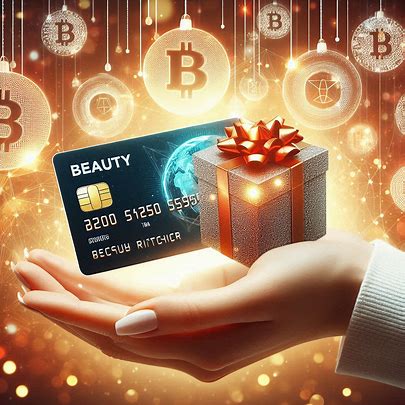 Beauty is a fast-moving space. New products launch every season, and trends evolve constantly. Retailers need quick ways to increase customer engagement and revenue flow to keep up. Gift cards, while common, often sit unused. That’s where crypto comes in.
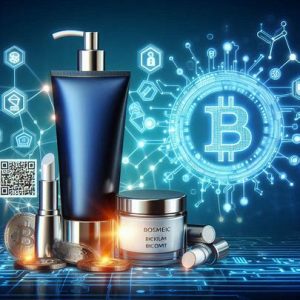 Brands are exploring blockchain to run loyalty programs. Tokenized rewards are easier to manage and can be used across partner platforms. This creates a seamless, value-based shopping experience.
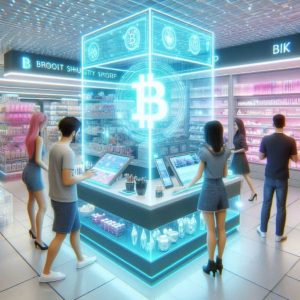
 The global beauty market is evolving, and cryptocurrency-backed platforms are at the forefront of this change. These blockchain-based marketplaces offer secure, transparent, and decentralized ways to buy and sell beauty products. But could insights from vehicle auctions play a role in refining these platforms? Pricing models, bidding strategies, and consumer behavior in car auctions may hold valuable lessons for beauty marketplaces looking to optimize their operations.
 Deposit guarantees offer an alternative to traditional rental deposits, letting tenants keep their savings intact while landlords still have security. This innovative approach frees up cash that can be used for various purposes. Platforms offering financial solutions for tenants ensure that individuals can redirect these savings toward luxury expenses, including investments in beauty and wellness. When the burden of setting aside thousands for rental deposits is lifted, tenants gain flexibility to allocate their funds to improve their quality of life. It’s a small change with a profound impact, sparking a shift in priorities from necessities to aspirations.
 Cryptocurrency is making waves across various industries, and the beauty industry is no exception. As beauty brands look for innovative ways to connect with customers, blockchain technology and crypto payments are emerging as game-changers. The impact is already felt, from streamlining supply chains to creating new digital payment methods.