
 Cryptocurrency has moved into parts of the beauty industry, although adoption remains selective rather than mainstream. Beauty retailers and brands have tested everything from Bitcoin checkout to crypto rewards and blockchain-backed ingredient tracking. Lolli, for example, has worked with major beauty retailers including Sephora and Ulta Beauty to connect ordinary purchases with Bitcoin rewards.
For shoppers, crypto beauty payments can now mean several different things. A customer might pay directly from a digital wallet, earn Bitcoin after purchasing cosmetics with a conventional card, or encounter blockchain technology behind the scenes when checking where ingredients originated. These uses vary considerably in maturity, making it useful to separate what is already practical from what remains experimental.
1. Paying for Beauty Products With Cryptocurrency
Direct payment is the simplest application. Instead of using a credit card or bank account, a shopper transfers cryptocurrency through a supported payment processor. The processor can handle much of the technical work, reducing the need for a retailer to build its own crypto infrastructure.
Lush provides a notable example. BitPay currently lists Lush UK as accepting cryptocurrencies including Bitcoin, Ether and USDC through its checkout system. The arrangement lets customers select a supported digital currency and pay from a compatible wallet. Availability can differ between markets, however. Lush Philippines, for example, currently lists cards, Maya, GCash and cash on delivery among its payment methods rather than cryptocurrency.
2. Earning Bitcoin Without Paying in Bitcoin
Crypto rewards may offer an easier route into digital assets because shoppers do not have to change how they pay. Lolli lets customers earn cash or Bitcoin rewards when shopping with participating retailers, and its current platform says it works with more than 25,000 stores.
Beauty has been part of that model for several years. Lolli announced a Sephora partnership in 2022, while another company announcement listed Ulta among retailers available through its Card Boost program. The system allowed shoppers to link conventional payment cards and receive Bitcoin rewards after eligible purchases. Lolli’s current beauty marketplace continues to include numerous skincare, cosmetics and wellness merchants.
This model resembles familiar cashback programs more than a radical redesign of retail. That familiarity may be useful because consumers can gain exposure to Bitcoin without managing cryptocurrency during checkout.
3. Turning Tokens Into Customer Experiences
Blockchain-based loyalty can go further than cashback. Tokens and digital collectibles can function as access passes for exclusive products, communities or experiences.
L’Oréal has explored this approach through several brands. At Viva Technology 2022, the company highlighted Web3 initiatives including YSL Beauté’s release of 10,000 Golden Block NFTs, which were designed to unlock digital experiences and other utilities. NYX Professional Makeup and Mugler also featured in the group’s broader experiments with on-chain beauty.
These programs remain less common than standard points schemes. Ulta Beauty, for comparison, currently emphasizes a conventional loyalty model where its more than 46 million members earn points on purchases and exchange them for discounts and benefits.
4. Using Blockchain to Trace What Goes Into a Product
Some of the most practical blockchain applications are almost invisible at checkout. Instead, distributed records can help businesses document where ingredients came from and provide evidence behind sourcing claims.
Aveda says it uses blockchain technology to trace ingredients through a secure digital system, with the aim of supporting quality and responsible-sourcing verification. Lush also reports that one of its frankincense-oil suppliers uses a blockchain-enabled traceability application.
Beauty retailer Cult Beauty has also worked with Provenance on technology designed to provide evidence for product claims. Research published in Sustainability in 2024, however, noted that successfully scaled blockchain traceability systems remain relatively rare, particularly in complex industries such as fragrance.
5. What Is Still Holding Adoption Back?
Crypto in beauty still faces practical limits. Cryptocurrency values can fluctuate, payment availability varies by country, and customers must understand wallets and digital assets. Retailers also have to consider regulation, accounting, security and whether enough shoppers actually want another payment or rewards option.
The strongest near-term uses may therefore be those that require the least behavioral change. Bitcoin cashback can sit behind a normal card purchase, while blockchain traceability can operate without customers owning cryptocurrency at all. Direct crypto checkout and token-based loyalty are likely to remain more specialized until they offer shoppers a clear advantage over familiar alternatives.
Beauty brands are unlikely to abandon conventional cards, loyalty points or supply-chain databases anytime soon. Instead, crypto appears to be developing as an additional layer, useful where it makes payments easier, rewards more distinctive or sourcing claims easier to verify.
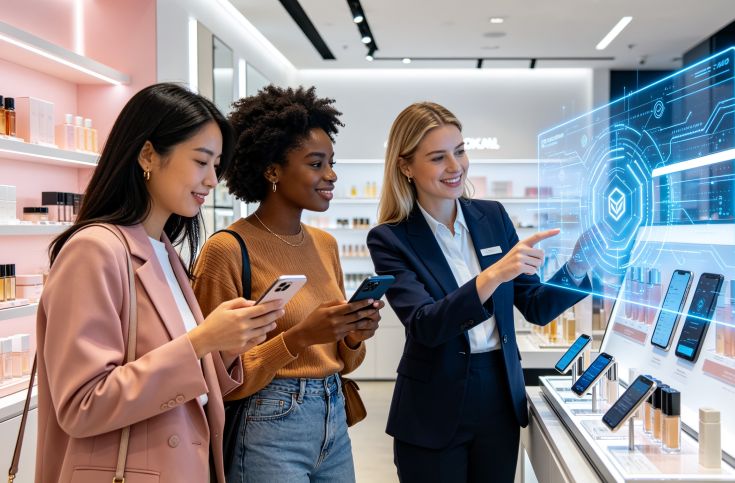
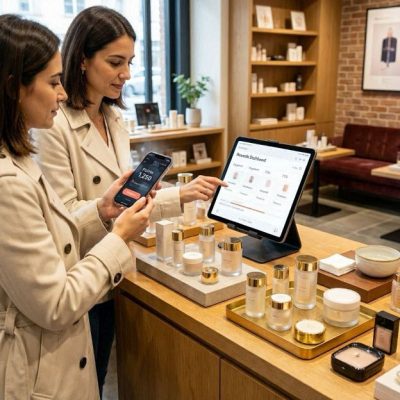 Accenture research has found that consumers increasingly value transparency and personalized experiences when engaging with brands. This trend has encouraged beauty companies to explore blockchain-powered loyalty systems, including emerging models built around digital beauty rewards. As competition intensifies across skincare, cosmetics, and wellness markets, brands are seeking new ways to strengthen customer relationships and encourage repeat purchases.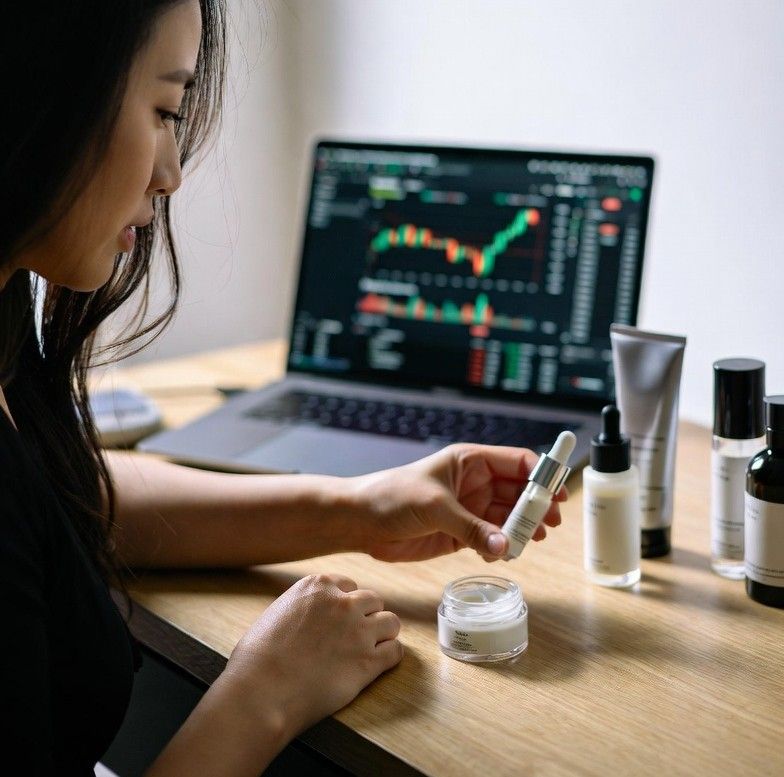
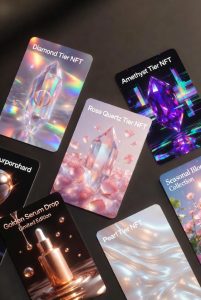 Beauty brands are increasingly embracing cryptocurrency and blockchain technology to engage customers and streamline payments. From NFT-based loyalty programs to crypto-friendly e-commerce platforms, the industry is exploring innovative ways to merge digital finance with cosmetics. Companies aim to attract tech-savvy consumers who value both convenience and exclusivity, creating entirely new experiences around skincare, makeup, and wellness products.
 Beauty companies are adopting cryptocurrency payments. Recent months show brands experimenting with blockchain to attract tech-savvy customers.