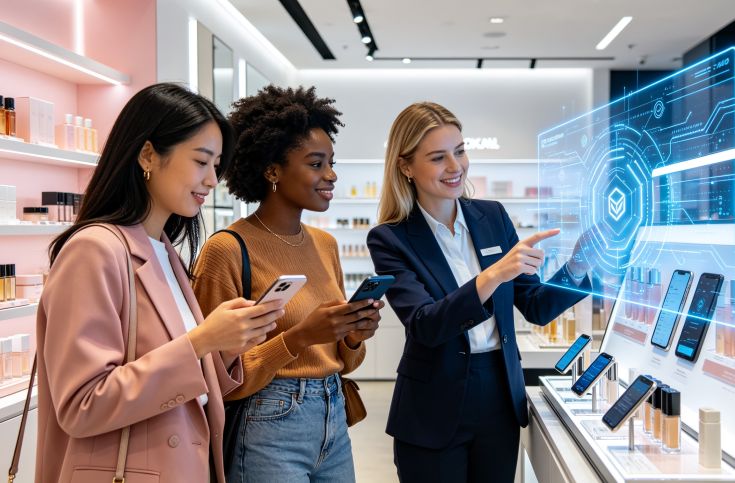
 Loyalty programs remain a major part of how beauty retailers encourage repeat purchases and maintain customer relationships. Familiar systems usually award points that shoppers can exchange for samples, discounts, products, or special experiences. Sephora, for example, continues to operate Beauty Insider as a conventional points-based program, while retailers such as Rustan’s use similar purchase-and-reward structures.
Beauty companies are also experimenting with newer forms of digital engagement. During 2026, these experiments have included crypto rewards, blockchain-based membership systems, and tokenized incentives. The changes do not suggest that cryptocurrency is replacing ordinary beauty payments. Instead, brands are testing whether blockchain can add flexibility or new experiences to existing rewards programs.
Why Traditional Points Still Work
Conventional loyalty points have one major advantage: familiarity. Customers make a purchase, earn a predictable number of points, and redeem them within the retailer’s system.
Sephora states that Beauty Insider members generally earn one point for every U.S. or Canadian dollar spent on eligible merchandise. Rewards range from product samples to larger benefits and experiences. The system remains controlled by the retailer, and its rewards generally cannot be transferred or sold.
This closed structure can make programs simple to manage. It also allows brands to connect rewards directly with purchases, customer tiers, promotions, and exclusive events.
What Changes When Rewards Become Tokens?
Blockchain-based systems can treat a reward as a digital token recorded on a distributed ledger. Depending on how the program is designed, tokens could potentially be transferred between wallets, used across participating businesses, or connected with digital memberships.
Some beauty-related experiments are already exploring this approach. In June 2026, ESCO Cosmetic announced a blockchain-related strategy involving NFT membership and rewards for participating consumers. Meanwhile, Lolli continues to provide Bitcoin cashback opportunities across a large beauty-shopping category, showing another way digital assets can sit beside ordinary purchases rather than replacing them.
Portability Comes With Extra Complexity
Greater portability could make rewards more useful. A blockchain record may also make the movement and issuance of certain tokens easier to verify. Brands could connect these assets with memberships, events, collectibles, or partner benefits.
Yet those features introduce additional steps. Consumers may need to understand wallets, addresses, passwords, token transfers, and changing asset values. Federal Trade Commission consumer guidance notes that cryptocurrency is normally stored in digital wallets and warns that lost credentials, incorrect transfers, compromised wallets, or failed platforms can make funds difficult to recover.
Volatility creates another distinction. Traditional store points usually have a redemption value determined by the program. Cryptocurrency rewards can rise or fall with the market. The Federal Trade Commission notes that cryptocurrency values can change rapidly, making crypto cashback fundamentally different from earning a fixed retail discount.
Replacement or an Extra Layer?
Blockchain may therefore be more useful as an optional layer than as a complete replacement for beauty loyalty points. Shoppers who want a simple discount may prefer familiar rewards, while digitally experienced customers could value transferable tokens, crypto cashback, or wallet-linked memberships.
The direction visible in 2026 is experimentation rather than wholesale change. Beauty retailers can keep the simplicity of conventional points while testing blockchain for selected experiences. The long-term outcome will depend less on the novelty of tokens and more on whether they make rewards easier, more valuable, and understandable for everyday shoppers.